Sights · No. 13
Visiting the Nanjing Massacre memorial
A free, heavily visited memorial to the 1937 massacre. What to expect, how much time it takes, and whether it is right for your trip.
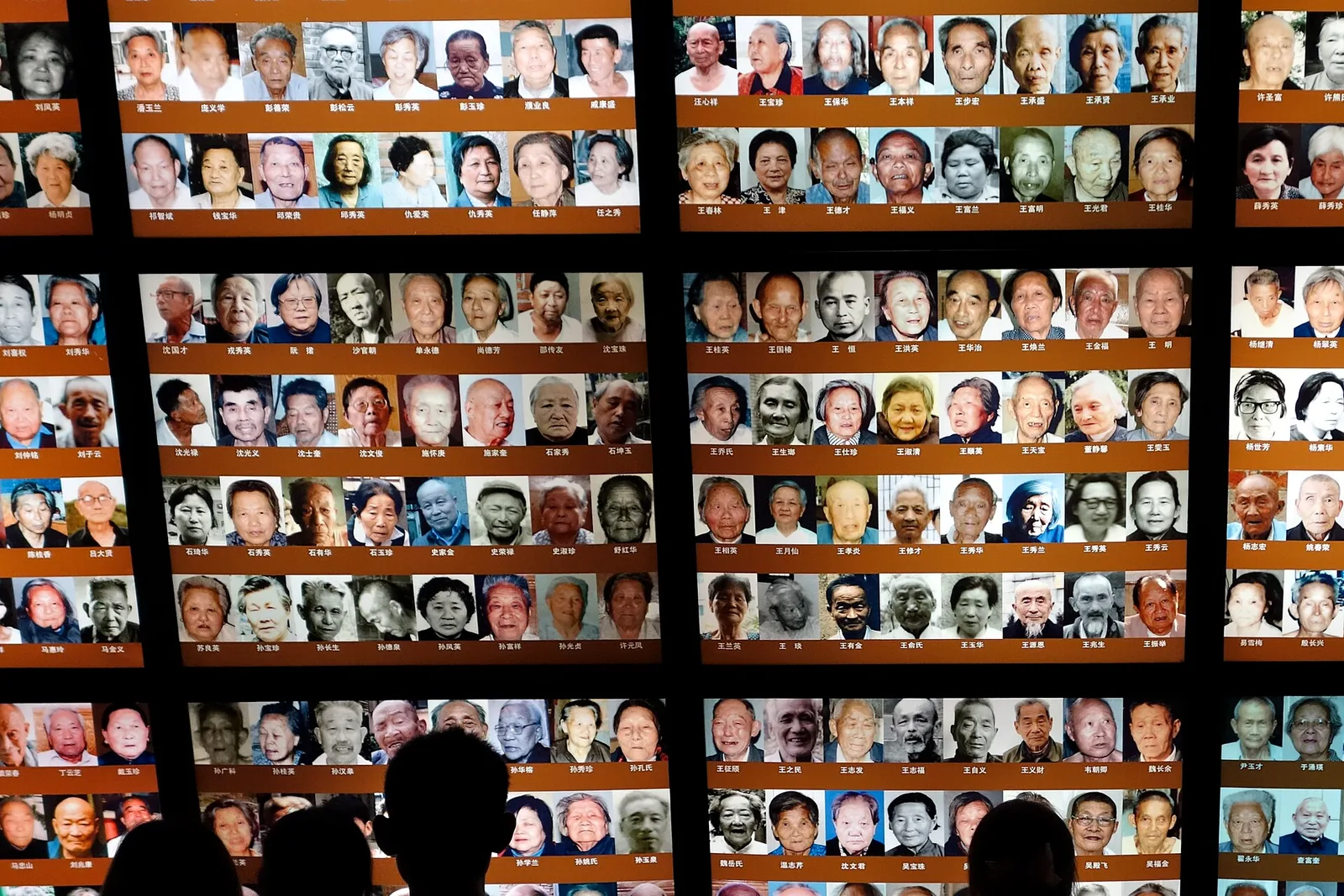
The Memorial Hall of the Victims in Nanjing Massacre by Japanese Invaders sits west of the city centre, near the Yangtze. It is the most important museum in Nanjing and the hardest. It documents the killing of an estimated 300,000 civilians and prisoners of war after the city fell in December 1937.
What the visit is like
The building is deliberately heavy: dark stone, low ceilings, a sloping approach that makes you walk downward into the exhibits. The first rooms hold photographs, documents and personal objects. The evidence is detailed and graphic. Later sections cover the foreign residents who established a safety zone, the postwar trials, and the memory of the event in China and Japan.
One of the most affecting installations is a room where a drop of water falls every 12 seconds, marking the rate at which lives were lost during the weeks of violence. The sound stays with people.
How long to allow
Two hours minimum, three if you read the panels. Most visitors emerge quiet and tired. Do not schedule anything emotionally demanding immediately afterwards, and do not treat it as a stop between lunch and shopping.
Practicalities
- Free entry, timed reservation required, usually through WeChat with your passport.
- Closed Mondays.
- Photography is restricted in many galleries. Look for the signs; do not photograph human remains or images of bodies.
- The memorial is at 418 Shuiximen Street. Metro Line 2 to Yunjinlu, then a 15-minute walk or a short taxi.
- There are lockers, toilets and a small café. The café is not a place to linger.
- The site is mostly indoors and accessible, with lifts to the main galleries.
Is it appropriate for children?
Older teenagers can handle it, and many Chinese school groups visit. For children under 12, the content is likely too graphic. The memorial is not designed as a family attraction, and there is no simplified route. Use your judgement; the page on visiting with children covers alternatives.
Etiquette
Speak quietly. Do not pose for cheerful photographs at the memorial walls. Do not film other visitors. Dress as you would for a serious museum. The site is not sacred in a religious sense, but it is a place of mourning, and visitors are expected to behave accordingly.
Why go
Because Nanjing's identity is shaped by this event, and because the city's other sights — the wall, the tombs, the Republican palaces — make more sense against it. It is not an easy two hours, but it is the two hours that explain the rest.
Read next