Practical · No. 03
Getting around Nanjing
The metro, taxis, shared bikes and the walking maths that keeps a Nanjing day from turning into a transit day — including how to pay for all of it.
Nanjing has one of the better metro systems in China and a road network that can still surprise you at 6pm. The trick is to use each mode for what it is good at.
The metro does most of the work
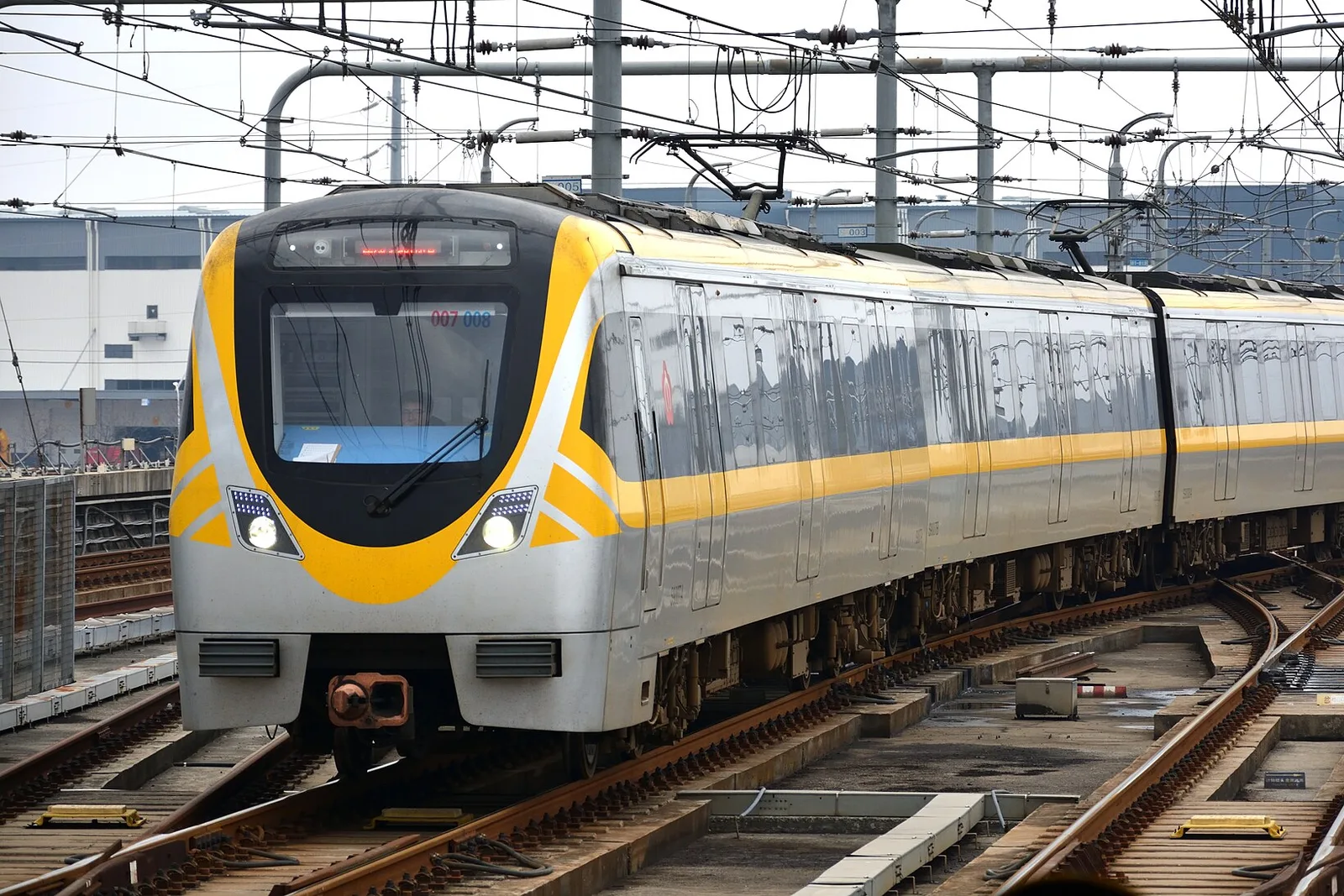
Lines 1 and 2 cross at Xinjiekou and cover the tourist core. Line 2 runs east to Muxuyuan and the Purple Mountain area; Line 1 runs south toward the railway station and north toward the river. Line 3 links the south station with the old city. The airport line, S1, connects Lukou Airport to Nanjing South Railway Station.
The stations you will actually use:
- Line 2, Minggugong — Nanjing Museum and the Ming Palace ruins.
- Line 2, Muxuyuan — Ming Xiaoling and the western side of Purple Mountain.
- Line 2, Xiamafang — Sun Yat-sen Mausoleum.
- Line 2, Zhonglingjie — Linggu Temple.
- Line 1, Zhonghuamen — Zhonghua Gate and the city wall.
- Line 1, Sanshanjie — Fuzimiao, Laomendong and the old town, a short walk from each.
- Line 3, Fuzimiao — the other side of the old town, useful from Nanjing Station.
- Line 1 and 3, Nanjing Station / Nanjing South — the two rail hubs.
Fares are distance-based and cheap, usually ¥2–8. You can buy a single-journey token from the machines, but most visitors use a QR code in Alipay or WeChat. Set it up before you leave the hotel; station signal is fine but the queues are not.
One QR per person. There is no family ticket and no sharing at the barrier; children below the height limit usually pass free alongside an adult, but each adult needs their own code. If your phone dies, the ticket machines take coins and small notes, and some accept QR payment.
Every station has bag scanners at the entrance, like a small airport. Allow an extra minute, and do not carry a half-full water bottle expecting to keep it — you may be asked to drink it or discard it. Eating and drinking on trains is not allowed, though nobody will stop you for a sip of water in the heat.
Trains run roughly 6am to 11pm. Announcements and signs are in English. Stations are large: allow five minutes to walk from the platform to the correct exit, more at Xinjiekou, which has more than twenty exits and can feel like a underground city.
Taxis and Didi
Taxis are plentiful and metered. The flag fall is around ¥11, and a cross-town ride usually lands between ¥30 and ¥60. Didi, booked through Alipay or its own app, is easier if you do not speak Chinese because you can type the destination and pay in the app. It also gives you a record of the trip if something goes wrong.
Drivers will not speak English. Have the destination in Chinese characters. At railway stations, follow the signs to the official taxi rank rather than accepting a "taxi" offered by someone approaching you inside the hall. The unofficial version is either unlicensed or takes a detour, and the difference can be ¥100.
Three habits that prevent most taxi trouble:
- Use the rank or the app. Never follow a man who approaches you saying "taxi" inside a station.
- Check the meter at the start. It should be reset and running. If the driver quotes a fixed price instead, get out.
- Have the address in Chinese and a map pin. The driver may know the neighbourhood but not the exact hotel.
At night, taxis are harder to find around the old town and the bars. Didi works, but expect a wait after 10pm on weekends.
Shared bikes
Blue, yellow and green shared bikes are everywhere. They are excellent for the flat streets inside the wall and along the lake. You need a payment app; unlock by scanning the QR on the bike.
Two cautions: cycling on the pavement is common but not legal, and traffic turns right on red with confidence. Use bike lanes, keep your speed modest, and avoid the big arterial roads at rush hour. Park in the marked zones; leaving a bike outside a zone can trigger a small fee or a blocked account.
Bikes are best for the last kilometre, not the whole day. The old town is compact enough to walk, and the wall and the mountain are not cycling sights.
Walking has a limit
The old city rewards walking, but block lengths are long and crossings are wide. A route that strings together five "nearby" sights can easily become 12 kilometres. Build in a metro hop or a taxi between clusters.
The wall is its own walking project: the Zhonghua Gate to Jiefang Gate section is the most rewarding short stretch, and it is exposed. Do it in the morning or late afternoon, not at noon in July.
A realistic walking day in Nanjing is 12–15 kilometres if you use transit between clusters. If you are doing 20 kilometres, you are probably walking between sights that have a metro stop between them.
Rush hour, late night and rain
Rush hour is 7:30–9am and 5:30–7pm on weekdays. Line 1 and Line 2 are the worst, and Xinjiekou is the worst of the worst. If you have luggage, avoid these windows or take a taxi. If you are sightseeing, the crowds are survivable but the trains are not pleasant.
The metro slows after 10pm and the last trains run around 11pm, depending on the line. After that, Didi is the reliable option; night buses exist but are not worth learning for a short trip. A taxi from Fuzimiao to Xinjiekou at midnight is short and cheap.
In heavy rain, the metro is the only sane option. Streets flood at the low points, taxis disappear, and Didi surges. The old town's lanes drain slowly; wear shoes that can get wet.
From the airport and stations
Lukou Airport is 35–45 minutes from the centre by taxi and about an hour by metro with a transfer at Nanjing South. Nanjing Station sits by Xuanwu Lake, a short metro ride from Xinjiekou. Nanjing South is further out but connected by Lines 1 and 3.
If you arrive with heavy luggage during rush hour, take a taxi. The metro is cheap, but the transfers are long and lifts are not always where you expect. Airport and railway stations has the full arrival walkthrough.
A realistic day
Morning: metro to Muxuyuan, walk the Purple Mountain sights until lunch. Afternoon: metro back to Xinjiekou, then walk or one short taxi to the wall. Evening: metro to Fuzimiao, walk the river, taxi home if it is late. That is four transit movements, which is about right.
A three-day trip does not need more than this. The metro is a tool for moving between neighbourhoods, not a sight in itself; the best parts of Nanjing are within a ten-minute walk of a station exit.
The most common transport mistake is not the metro or the taxi. It is planning a day that looks compact on the map and then discovering that each "nearby" sight is a twenty-minute walk from the last.
Read next