Culture and history · No. 06
The plane trees: Nanjing's green roof
How the London plane became the city's most loved tree, where to walk under the best avenues, and why they are politically charged.
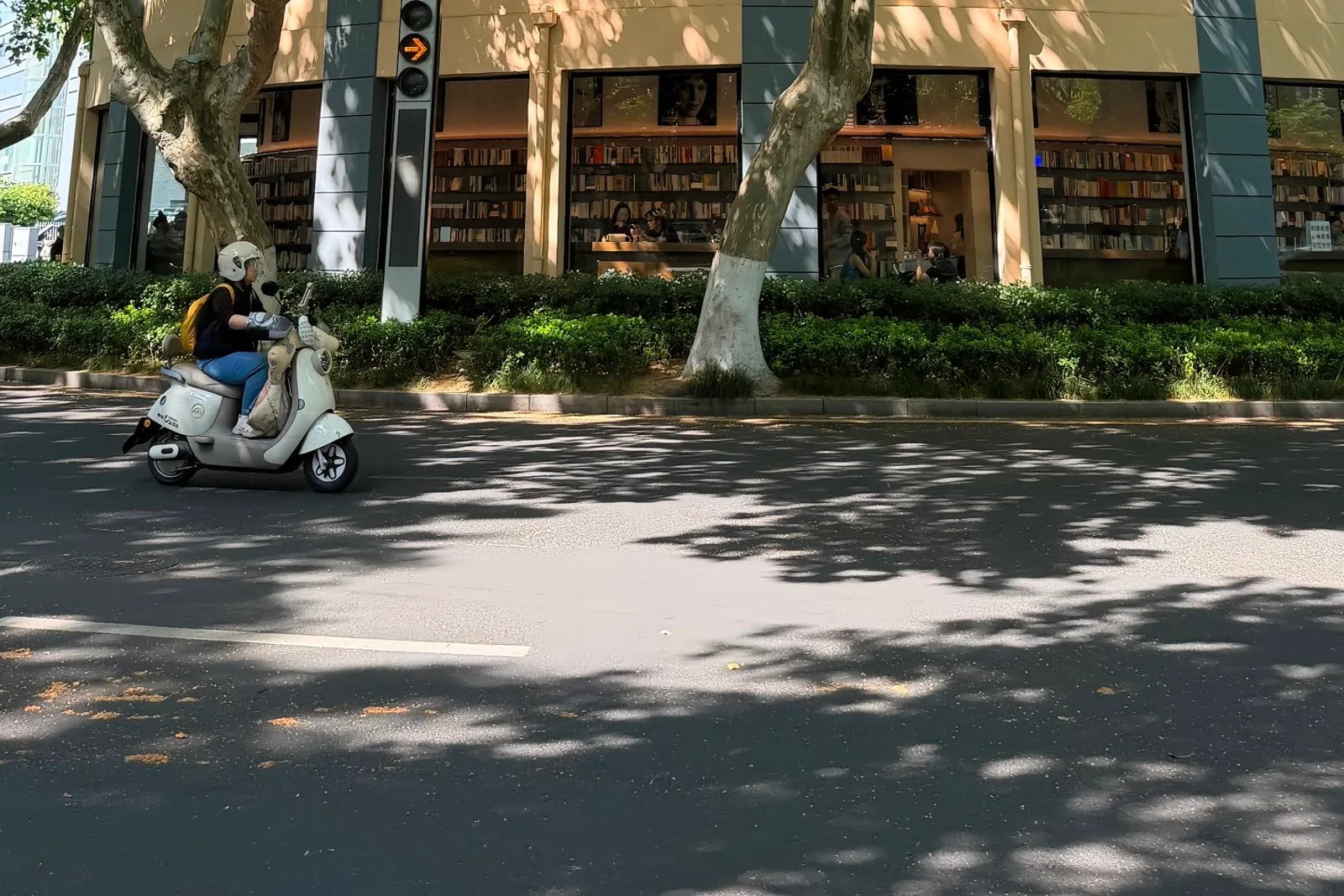
Nanjing is a city under a green roof. The plane trees — London planes, Platanus × acerifolia, locally called French sycamores — line the main avenues and form a canopy that changes the feel of the streets entirely.
How they got here
The trees were planted in the late 1920s, when Nanjing became the capital of the Republic. They were part of the modern capital plan: wide avenues, imported trees, a European boulevard feel. The most famous avenues — Zhongshan Road, Zhongshan East Road, Yihe Road — were planted in this period.
The trees were also planted along the route of Sun Yat-sen's funeral procession in 1929, which added a symbolic layer. They became a civic signature.
Where to walk
Zhongshan East Road. The long avenue from the old city toward Purple Mountain, with the trees meeting overhead. Walk it in early morning or late afternoon.
Zhongshan Road. The north-south spine, busier but still impressive.
Yihe Road. The quiet Republican villa district, with smaller streets and older trees.
The old city lanes. Many side streets have their own plane trees, younger but no less pleasant.
The politics of trees
In 2011, when the city planned to transplant plane trees to make way for metro construction, citizens tied yellow ribbons around the trunks and campaigned to save them. The episode became a symbol of local identity and public attachment to the city's greenery.
Some trees were moved; many survived. The debate reflected a wider tension between development and the city's character.
When to see them
Spring: fresh green, pollen (a problem for allergy sufferers). Summer: full canopy, deep shade. Autumn: yellow and brown, especially in November. Winter: bare branches and the structure of the avenues.
The plane tree in Nanjing life
The trees are a backdrop to daily life: old men playing chess beneath them, cyclists weaving between them, shopkeepers sweeping leaves. They are also a maintenance issue: the city spends a lot of money pruning and replacing them.
The seasons of a plane tree
In spring the trees leaf late, and the streets stay bare while the cherries bloom. In summer the canopy closes over the road and the shade is dense enough to change the temperature. In autumn the leaves turn bronze and fall for weeks. In winter the branches are pollarded into knuckled fists.
The pruning is severe and deliberate. It keeps the canopy low and the roots manageable, and it gives the streets their distinctive winter silhouette.
The nuisance
The trees shed a fine irritant fibre in spring, and the fallen leaves make the roads slippery after rain. Cyclists complain, and the city sweeps constantly.
None of it changes the affection. The plane tree is the one piece of municipal planting that locals talk about as if it were a person.
Walk one long avenue under the planes and you will understand why Nanjing feels softer than its history suggests.
Read next